Designing Technology Around People
Nearhuman Team
Near Human builds intelligent safety systems for micromobility — edge AI, computer vision, and human-centered design. Based in Bristol, UK.
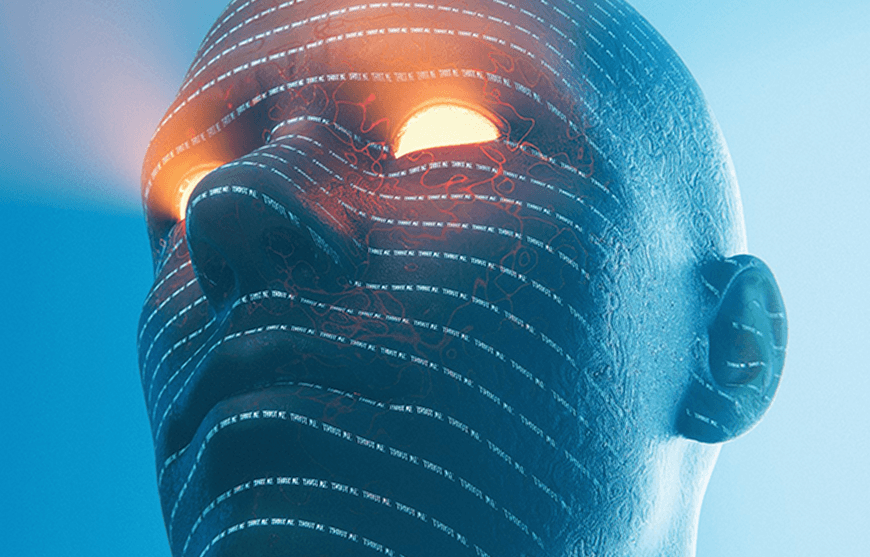
At Nearhuman, we believe the future of AI will be shaped not just by what machines can do, but by how well they work for people. For all the excitement around model performance, autonomy, and technical breakthroughs, the systems that create lasting value are the ones that fit naturally into human environments, support human decision-making, and solve real problems in ways people can trust.
This is what human-centered AI means in practice. It is not a soft layer added after the engineering is done. It is a design principle that should shape the entire system from the start.
Too often, advanced technology is built from the inside out. Teams begin with what is technically possible, then search for places to apply it. That approach can produce impressive demonstrations, but it does not always produce useful products. In the real world, performance alone is not enough. A system also needs to be understandable, dependable, and practical in the context where it will be used.
People do not adopt technology because it is novel. They adopt it because it helps them do something better, faster, more safely, or with greater confidence.
The most effective AI systems are the ones that reduce friction rather than create it. They work with existing workflows rather than forcing people to adapt to the machine. They provide support where it matters, remain legible when decisions matter, and behave consistently in dynamic environments.
This becomes even more important when AI moves beyond the screen and into the physical world. In real-world settings, intelligent systems must operate alongside people, not apart from them. They need to respond to changing conditions, incomplete information, and practical constraints. They need to perform reliably in environments that are messy, fast-moving, and often unpredictable. In these contexts, good design is not just about usability. It is about safety, trust, and long-term effectiveness.
Trust is central to adoption. A system can be highly capable on paper and still fail if users do not understand how to work with it or when to rely on it. Human-centered systems earn trust by being clear in their role, predictable in their behaviour, and aligned with the needs of the people around them. They make it easier for users to build confidence over time because they are designed to support judgment, not replace it blindly.
That trust also depends on context. The right solution is rarely the most complex one. In many cases, the best system is the one that delivers the right level of intelligence in the right place, with the right amount of human oversight. Designing around people means understanding who the user is, what decisions they are trying to make, what constraints they are working under, and what a successful outcome actually looks like for them.
This way of thinking changes how technology is built. It means asking different questions earlier in the process. Instead of starting only with model capability, we start with use case, environment, and interaction. Who is this for? What task does it improve? What information does the user need? What level of autonomy is appropriate? What happens when the system is uncertain? How should it behave when conditions change?
These questions are not separate from engineering. They are engineering questions. They influence system architecture, sensor choices, interface design, deployment decisions, and evaluation criteria. They determine whether a system will succeed outside the lab, where performance is measured not only by technical accuracy but by usefulness over time.
Human-centered design also creates better business outcomes. Technologies that are easier to understand and easier to integrate are more likely to be adopted. Systems that account for real operational needs are easier to deploy and scale. Products that align with human behaviour generate stronger engagement, smoother implementation, and more durable value. In that sense, designing around people is not only the right approach ethically and practically. It is also the strongest foundation for sustainable growth.
At Nearhuman, we see AI as part of a broader relationship between people, machines, and the environments they share. The goal is not to build technology that simply acts. It is to build technology that acts appropriately, helpfully, and in ways that make sense within the human world. That means creating systems that are powerful, but also intuitive. Intelligent, but also legible. Advanced, but grounded in real use.
The future of AI will not be defined by capability alone. It will be defined by how effectively intelligence can be translated into outcomes that people value and trust.
The systems that matter most will be the ones that fit naturally into real life, respond to human needs, and make complex technology feel useful rather than distant.
Designing technology around people is how AI moves from possibility to impact. It is how trust is built, how adoption happens, and how better outcomes are achieved at scale.
Nearhuman Team
Mar 10, 2026