Micromobility Operator Compliance: 2026 UK & EU Rules
Nearhuman Team
Near Human builds intelligent safety systems for micromobility — edge AI, computer vision, and human-centered design. Based in Bristol, UK.
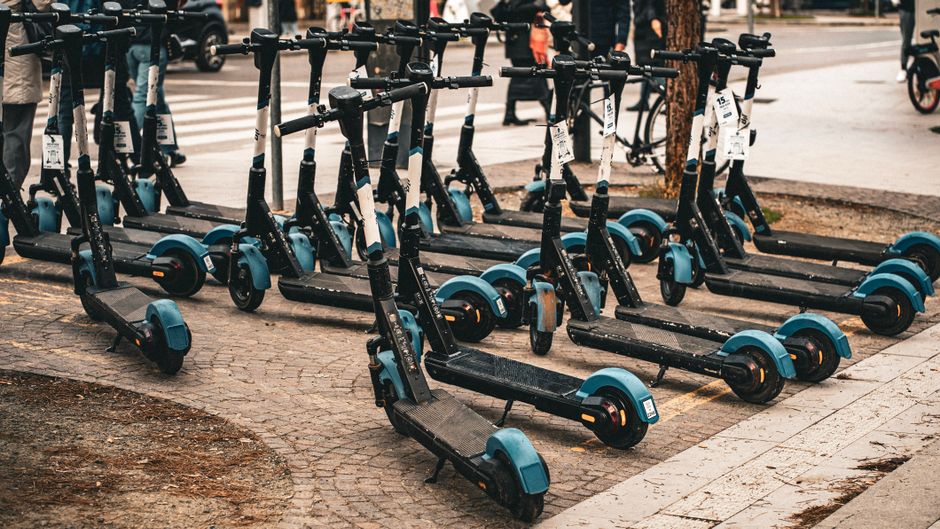
A fleet operator in Bristol recently lost a city permit renewal, not because their vehicles were unsafe, but because they couldn't produce the incident data the council asked for. The vehicles had sensors. The data existed. It just wasn't in a format the procurement team could read. That gap, between having safety technology and demonstrating compliance, is where most operators are quietly failing right now.
Across the UK and EU, the regulatory floor for micromobility is rising faster than most fleet managers appreciate. Illinois just passed a new e-bike and e-scooter safety bill. Oregon health authorities have issued formal injury warnings. Vienna is actively restructuring its permit conditions. The direction of travel is consistent: cities want evidence, not assurances. And the operators who can't provide structured safety data are finding their permit conversations go badly.
What the Rules Actually Say, and What They Leave Out
The EU Micromobility Directive, still being transposed into national law across member states, sets baseline requirements for vehicle speed limits (typically 25 km/h in shared urban zones), geofencing capability, and incident reporting. The UK Department for Transport e-scooter trials, now in their fifth year, have produced a body of guidance that effectively operates as soft regulation: operators who don't meet DfT safety expectations don't get trial extensions. Neither framework specifies exactly how operators must detect or log safety events. That ambiguity is intentional, regulators don't want to mandate specific hardware. But it creates a practical problem: operators must demonstrate outcomes without being told which tools to use.
The honest caveat here is that neither UK nor EU frameworks are fully settled. DfT trial guidance has shifted across rounds, and several EU member states are still debating what incident reporting actually means in practice. An operator who builds their compliance stack around today's exact requirements may need to adapt within 18 months. The smarter move is to build for data richness, capturing more than the minimum, so that when requirements tighten, you're not starting from scratch.
The Three Compliance Gaps That Cost Operators Their Permits
Based on what city transport teams consistently ask for during permit renewals, three gaps appear most often. First, speed geofencing logs: cities want to see not just that geofencing is active, but that it triggered correctly in designated pedestrian zones, and that those events were timestamped and stored. Second, incident detection records: when a collision or hard-braking event occurs, procurement teams want to know it was detected within the vehicle's operating cycle, not reconstructed from GPS pings after the fact. Third, pavement riding data: this is the one that surprises operators most. Pavement complaints from residents are often the single biggest factor in permit non-renewal, and councils increasingly ask for evidence that operators can detect and respond to it systematically. A system that catches a pavement incursion in under 50 milliseconds and logs it with location and timestamp answers that question directly. One that relies on manual complaint review does not.
Compliance isn't about what your system can do. It's about what you can prove it did, in a format the council officer can read before your renewal meeting.
The operators who are navigating this well have stopped thinking about safety systems as hardware purchases and started treating them as compliance infrastructure. The data a well-configured edge AI system produces, timestamped hazard detections, speed zone events, crash alerts, becomes the evidence base for every permit conversation. Cities don't award points for ambition. They award permit extensions to operators who show up with numbers. The fleets building that data layer now are the ones who will still be operating in Bristol, Vienna, and Manchester in 2027.
Frequently Asked Questions
What does the EU Micromobility Directive require from fleet operators?
The directive sets baseline requirements including speed limits of around 25 km/h in shared urban zones, geofencing capability, and incident reporting obligations. It doesn't mandate specific hardware or detection methods, so operators must choose their own tools to meet the outcomes regulators expect. Requirements are still being transposed into national law across member states, so the exact obligations vary by country.
How do UK councils assess micromobility operators during permit renewals?
UK councils typically assess operators on safety KPIs including incident rates, response times, and evidence of proactive hazard management. DfT trial guidance shapes what's expected, but individual councils often add their own criteria, particularly around pavement riding complaints and pedestrian zone compliance. Operators who can produce structured, timestamped safety data are consistently better positioned than those relying on narrative reports.
Does an operator need cloud connectivity to meet compliance requirements?
No. Most compliance requirements focus on outcomes and data availability, not the architecture used to produce them. An on-device system that logs safety events locally and syncs them to a fleet management dashboard when connectivity is available meets the same evidentiary standard as a cloud-connected system, and avoids the latency problem that makes cloud-only approaches unreliable for real-time detection.
Sources & References
- E-scooter and e-bike rental: safety and regulation — UK Department for Transport, 2024
- Regulation of the European Parliament and of the Council on the type-approval of powered cycles and light electric vehicles — European Commission, 2023
- Illinois Senate passes e-bike and e-scooter safety bill to regulate fast-growing devices — Chicago Tribune, 2025
- Vienna officials tackle safety concerns with e-scooters, other mobility devices — FFXnow, 2025
- Rising number of e-scooter, e-bike injuries prompt safety warning from Oregon Health Authority — KTVZ, 2025
Nearhuman Team
17 Apr 2026